The most common website error codes
The most common reason why website error codes appear is when a website moves to a new domain without redirecting the old URL. However, in other cases, it may occur when a user does not have the appropriate permissions to view certain content.
400 - Bad request
The 400 error code occurs primarily when the request sent to the HTTP server had invalid syntax. This usually happens when a user types the wrong URL in a browser’s address bar.
401 - Unauthorised
The 401 error code is usually displayed when the URL requires authentication and the user trying to connect cannot be verified through the requested information: username and password.
403 - Forbidden
In this case, the error code 403 indicates that a valid request to display the site was made, but the server is prohibited from executing the request because of lack of permission from the administrator.
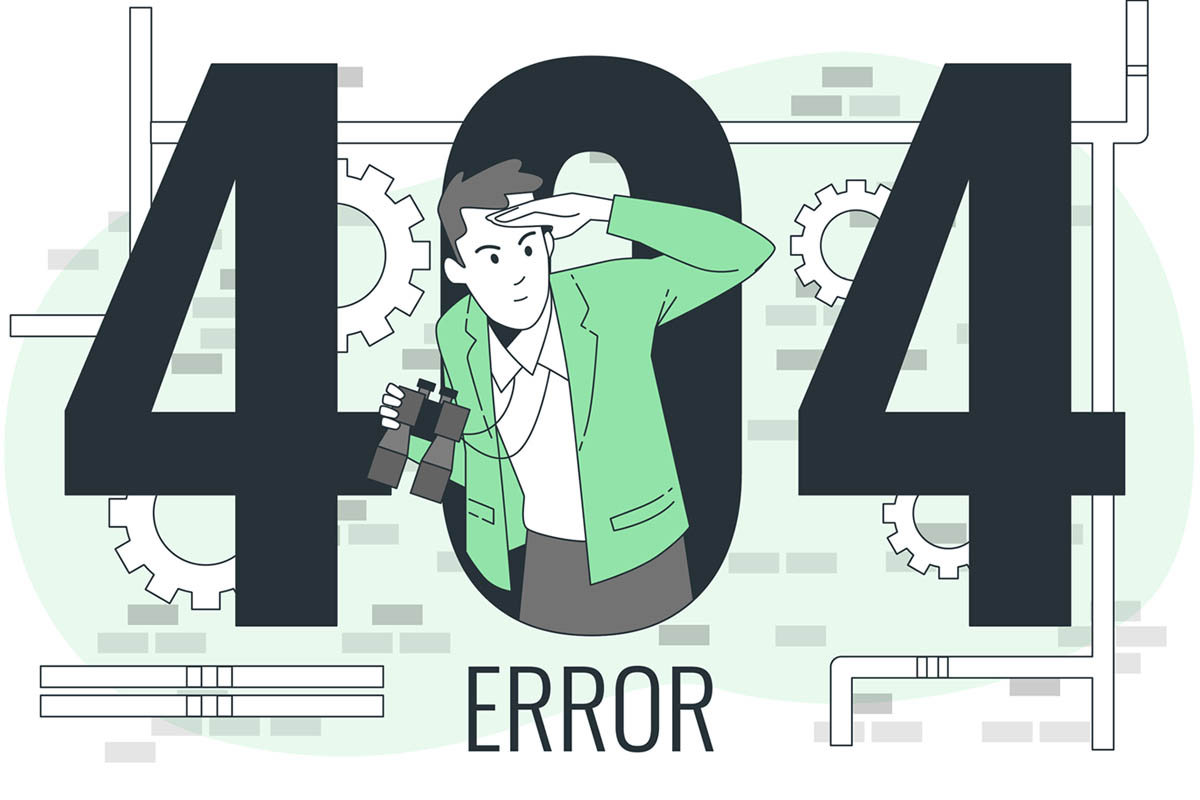
404 - Page not found
This is one of the most common error codes that users encounter on the internet and means that the user is trying to log in to a page on your site that no longer exists. These errors also negatively affect the SEO performance of your website.
500 - Internal Server Error
This error code is just a generic error message that can cover many server issues that another 5XX error could often better categorize.
502 - Bad Gateway
Error 502 occurs when a user request was received, but an internal server error prevented the action from completing. Once again, this website error message has several possible causes.
504 - Gateway timeout
A 504 error code is displayed when the requesting server did not receive a timely response from the receiving server when attempting to load the page.